

A digital journal that spotlights research on Romance languages, literatures, and cultures as well as creative writing and translations from these languages.
The Belonging Issue
VOLUME 58 (FALL 2025)
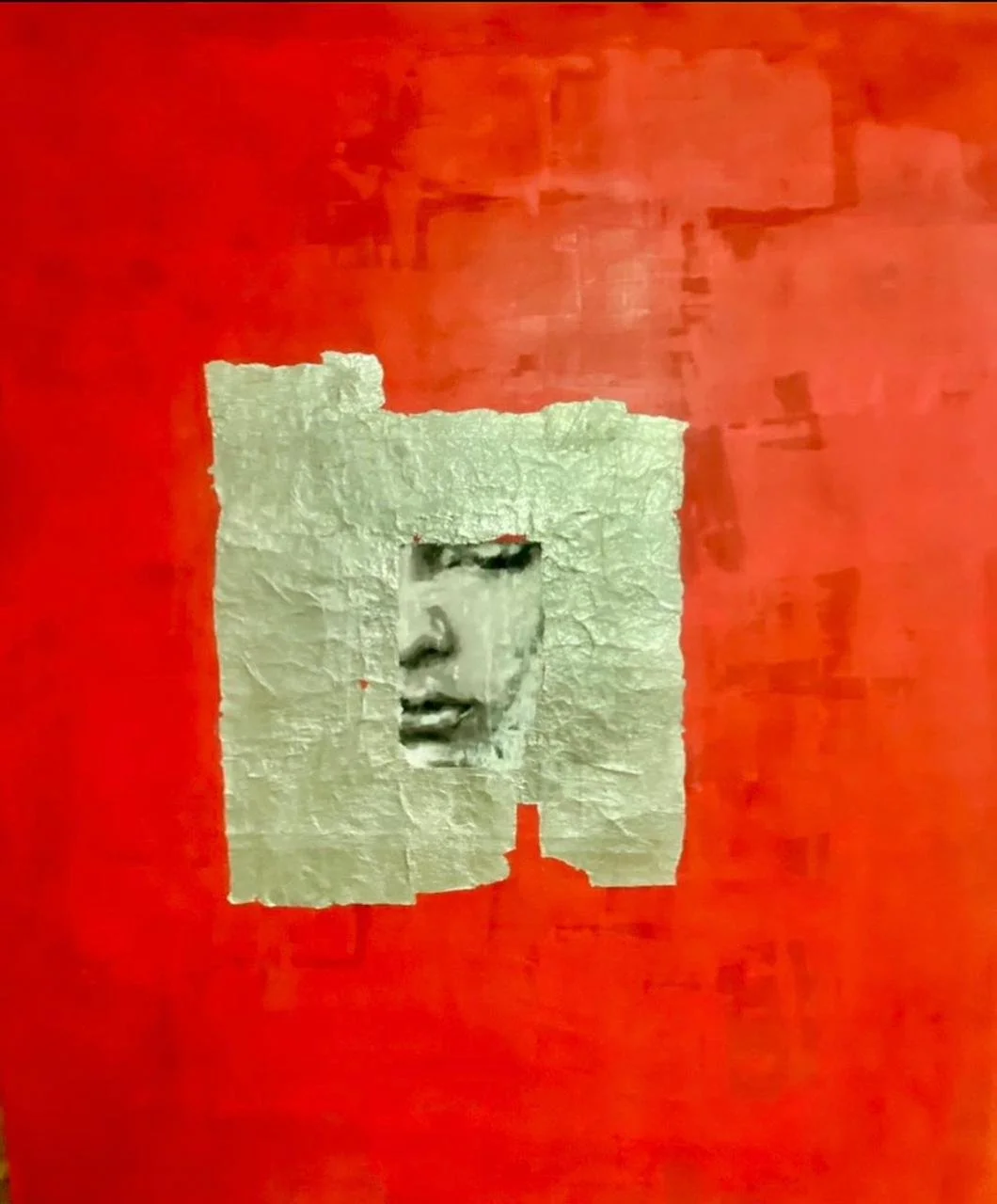
Volume 58 of Cincinnati Romance Review marks several firsts for the journal since its founding in 1981-82. In terms of content, it is the first issue dedicated entirely to original creative writing pieces instead of the usual lineup of high-quality academic articles. In terms of presentation, it introduces a new, more dynamic website with a fresh design—along with a unique URL for higher visibility online and easier navigation for our readers.
Beyond aesthetics, these changes reflect the constant evolution of the journal during the past four and a half decades. CRR started as an outgrowth of the Cincinnati Conference on Romance Literatures (now Cincinnati Conference on Romance and Arabic Languages Literatures), which first convened in 1980 and is now the oldest graduate student-run conference in the field. Beginning with typewriter-set issues, CRR appeared in print format until 2008, when it became an electronic journal. Over the years, its mission also evolved—from featuring papers presented at the conference to editing specials issues on a variety of timely topics and publishing submissions from scholars working across the United States and around the world.
This brings us back to creative writing and the current issue. Just as the conference and the journal have grown and adapted to changing technologies and trends, the University of Cincinnati’s Department of Romance and Arabic Languages and Literatures has likewise changed over the past few decades. In the late 2010s, the department incorporated the Arabic program to its name and academic offerings and added a Spanish-language creative writing PhD concentration to its graduate programs. While this addition formally allowed students to develop creative writing projects as part of their doctoral studies, RALL has traditionally attracted graduate students bursting with literary talent. In fact, many of them have become successful published authors in various countries—winning prestigious awards, earning poet laureate distinctions, having their plays staged, directing influential literary journals, etc. Therefore, including creative writing in CRR along with academic articles seems like a logical extension of the department’s rich literary culture. It is also a reflection of the growing number of hybrid scholar-creative writer profiles in academia and the narrowing of the gap between criticism and praxis in literary studies.
The Fall 2025 special issue of CRR both embodies and honors this University of Cincinnati tradition of giving creative writing in Romance and Arabic languages the place it deserves in U.S. higher education. It is our hope that, going forward, original literary pieces will be a recurring presence in the journal in the form of a miscellaneous section supplementing scholarly articles and book reviews, as well as via future creative writing special issues.
Why “Belonging”?
The theme chosen for CRR’s inaugural creative writing issue seeks to raise several questions at once. First, it asks whether creative writing belongs in a journal known for publishing papers on literary and cultural studies—and how and to what end. Regarding this question, it should be noted that traditional scholarly spaces such as journals and conferences have become more flexible as of late—including creative writing in supplemental sections and special panels, respectively. The Cincinnati Conference on Romance and Arabic Languages and Literatures has done so for the past several years, reflecting the creative writing-friendly atmosphere fostered by the Department of RALL. Now, it’s CRR’s turn to embrace this hybrid reality. In this issue you will find poetry, fiction, and creative nonfiction by 18 writers living throughout the Americas, in Europe, and in Macau (China). Two of them, Luis Miguel Estrada and Ivonn Márquez (Mexico), earned their doctoral degrees in Romance Languages from the University of Cincinnati.
The second question is an inquiry about the role and place of literature written/spoken in languages other than English within the United States, especially at a time of increasing hostilities toward linguistic and other forms of diversity in this country (even in university settings). Mexican scholar and author Cristina Rivera Garza, who was a keynote speaker at the 38th edition of CCRALL and directs the only other Spanish-language creative writing PhD program in the United States at the University of Houston, has repeatedly stated that writing and teaching creative writing in Spanish in this country has become “a political act.” In heeding Rivera Garza’s call to resist linguistic uniformity and in keeping with CRR’s tradition of publishing essays written in English or in any of the Romance languages, the current issue is truly multilingual—including texts in Spanish, Spanglish, English, Italian, Portuguese, Galician, and even a sprinkling of Arabic and Mesoamerican Indigenous languages.
Finally, the authors featured in this issue ponder what it means to belong (or not belong) in a world in constant flux, besieged by violence and uncertainty about the future but also interconnected in ways never seen before. Common themes found in the selected works include the experiences of migration and displacement, such as in the children’s story “El planeta Venezuela” (Mayli Quintero, Venezuela), in the nonfiction narrative “San José del poniente al naciente” (Daniel Campos, Costa Rica), and in the poems “Mediodía de septiembre” (Ulises Huete, Nicaragua) and “¡Que sea para bien!” (Melia Alzate Perea, Colombia). Other times, the question of belonging centers on language and the ways in which it (re)shapes identity and memory; we can observe this in poems such as “há sílabas que machucam me maceram a língua” (Romeu Foz, Portugal), “Foreign Words” (Yolanda Rivera Castillo, Puerto Rico), and “Ricetta,” in which Salvadoran-born writer and translator Rocío Bolaños describes her experience of living in Italy and writing in Italian as “impastare i nodi della memoria […] / servire la luce in un’altra lingua” (kneading the knots of memory […] / serving light in another language). Other texts deal with belonging in more subtle, intimate ways; in Arab American writer Rana Tahir’s “Surah for the Birds,” for instance, the poetic voice wrestles with the urge to leave her sheltered life and “hold what had never been caged.” Finally, there are authors who view writing as a tool for resisting exclusion and building community and a sense of belonging, such as Alma Karla Sandoval (Mexico) in “Canción del no-lugar” and Marcos de la Fuente (Spain) in “As cordas invisíbeis,” where the poetic voice yearns for “Un pobo unido na linguaxe do ceo” (A people united in the language of heaven).
Acknowledgements
In addition to all the authors whose contributions made this special issue possible, I would like to thank Marcella Bracci (Costa Rica) who provided the beautiful art accompanying the writing. I would also like to recognize PhD student and CRR assistant editor Beatriz Brenes, whose vision and multiple talents made the journal’s new website and look come to fruition; and Michael Gott, Professor of French and RALL Department Head, for his continued support of the journal and for providing the funds for its new online home.
Mauricio Espinoza, Associate Professor of Spanish and CRR Executive Editor
About the Art
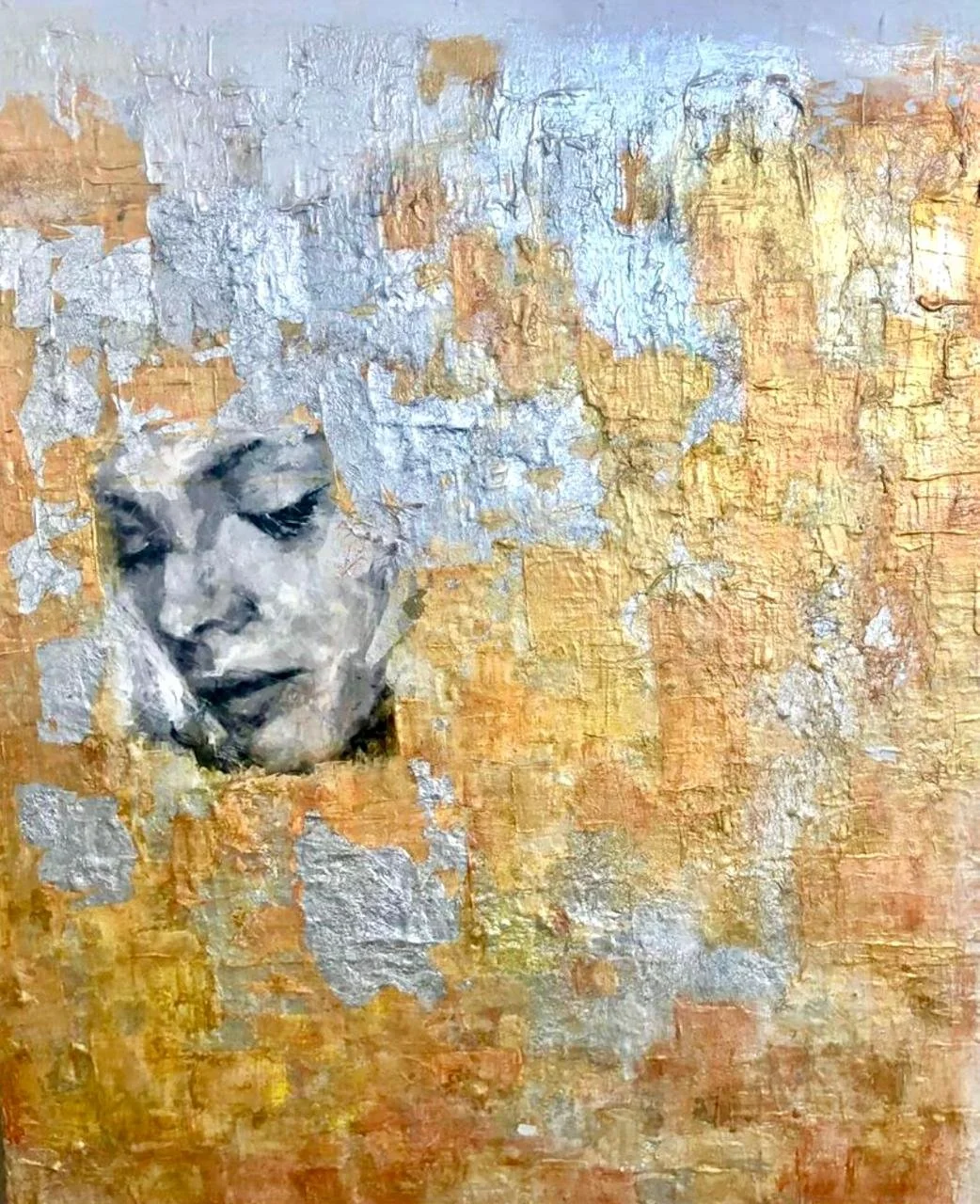
Marcella Bracci’s art is an intimate, introspective contemplation of the self. The feminine faces that break through blocks of metallic colors invite us to remember softness behind walls.
Were these walls built by ourselves? Were they build by society? Who in society dictates the walls?
We chose Bracci’s art to showcase in our Belonging issue because in this offering—our 58th volume overall and first in our new webpage, with our new look—we want to invite our readers to see beyond the division walls of us vs. them and remember the humans on the other side.
Featured Artist
Marcella Bracci is a visual artist, active in the Costa Rican contemporary art scene and part of a family of artists that often exhibits together (including her father Álvaro Bracci and her brother Francesco Bracci).
Our journal publishes twice a year.
Sign up to stay updated.